A cryogen is any fluid that operates at cryogenic temperatures (below roughly 150K – 120K). Using this definition, helium gas at 40K is a cryogen. Another more restrictive definition is to use cryogen to refer specifically to liquids at cryogenic temperatures. This is generally how it is used in the term cryogen-free. Thus, a cryogen-free system is one that provides cryogenic cooling without the use of cryogenic liquids such as liquid nitrogen or liquid helium.
Cooling of cryogen-free systems is done by cryocoolers or small refrigerators and cryogen-free systems have become more common as cryocoolers have become more powerful and reliable.
There are a number of advantages to cryogen-free systems. They are frequently smaller in size and weight than systems using liquid reservoirs. They eliminate the effort, training and equipment required for the purchase and use of cryogenic liquids. Safety issues associated with the venting of vapor boiling off from the cryogen are, for the most part, eliminated.
These advantages are particularly valuable in settings where the principal work is not cryogenic research but rather other activities such as materials research or medical research where the cryogenic or superconducting system is a tool. Properly designed, the cryogen-free system can appear to the researcher as just another utility and extensive training in cryogenics is not required. In space applications, the use of cryogen-free systems removes the challenge of dealing with liquids and their associated venting in zero g and means that the mission lifetime is determined by the reliability of the cryocooler, not the amount of cryogen that can be sent into space.
Cryogen-free systems do have some disadvantages. The initial system cost may be higher. The systems require power and other services for the cryocooler. The absence of a liquid bath may make heat sinking more difficult and in the event of a cryocooler failure, there will be no hold time like that associated with a liquid reservoir before the system starts to warm up.
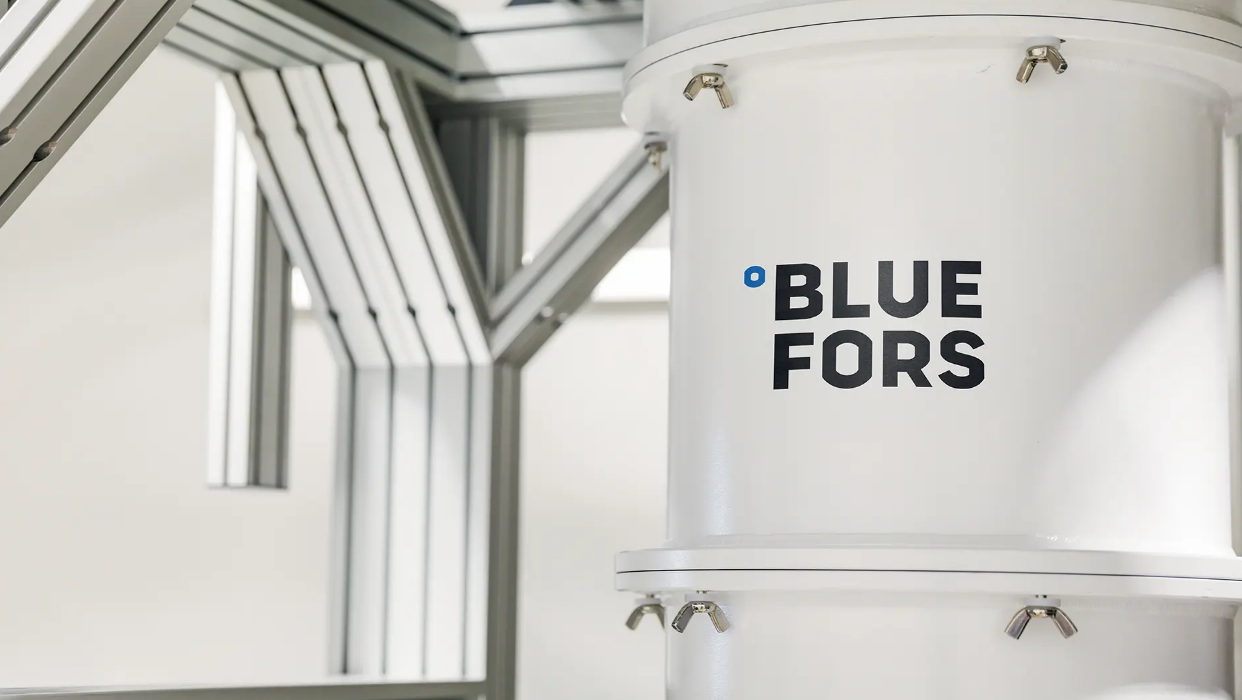
A number of firms, both in the USA and abroad, produce cryogen-free superconducting magnets and systems. Many research institutions are developing specialized cryogen-free systems. Examples include: the development of a cryogen-free ADR system for use in milli-gravity experiments (reported at the 2007 CEC/ICMC by K. Takahasi et al.), a 7T Cryogen-free Superconducting Magnet for use in a Gyrotron (R. Hirose et al. IEEE Transactions on Applied Superconductivity, Vol.18, No 2, June 2008) and a 6T Superconducting Wavelength Shifter proposed by C.S. Hwang for use at the National Synchrotron Radiation Research Center in Taiwan (Proceedings of EPAC 2000).