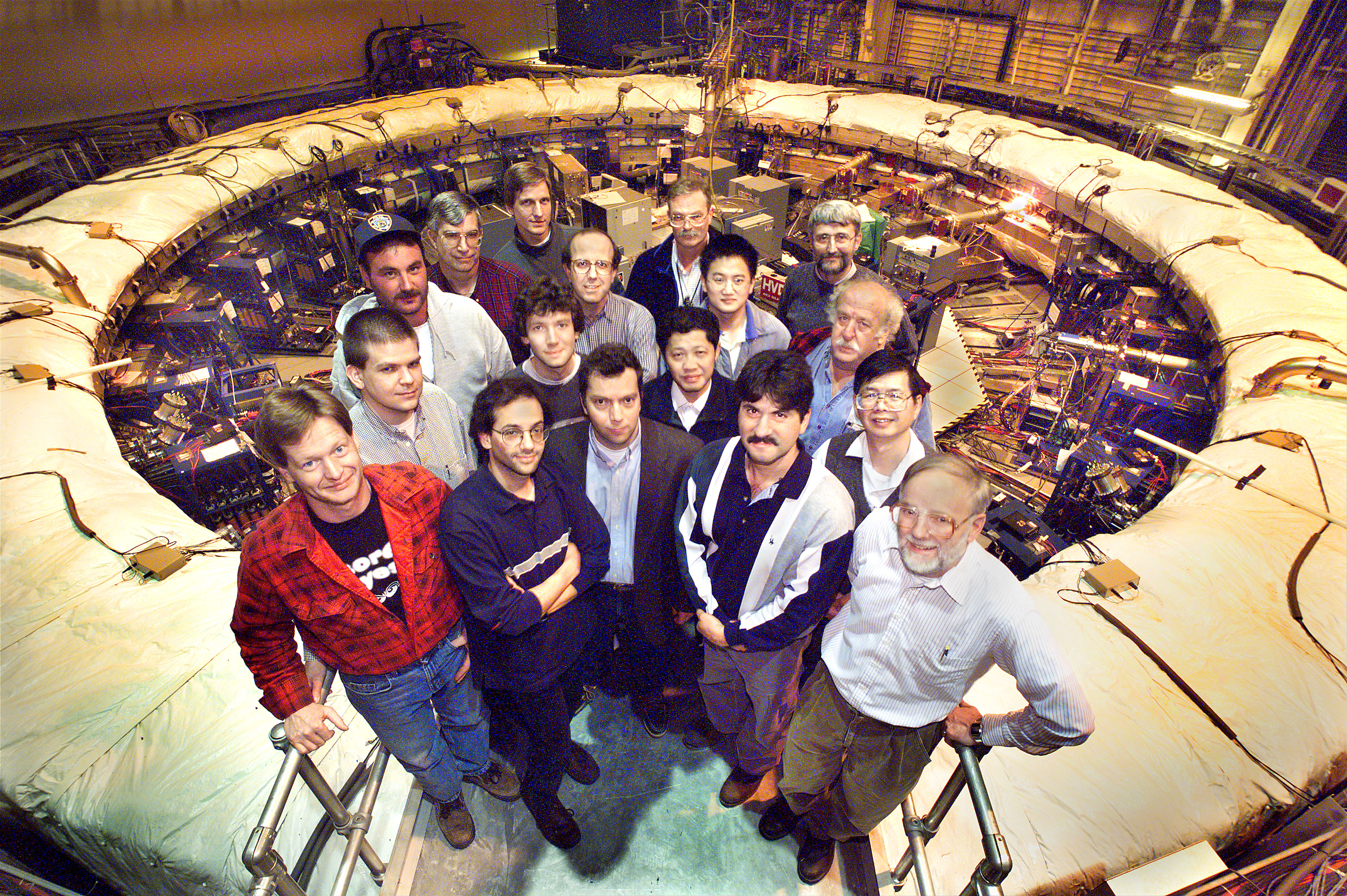
At NASA’s Marshall Space Flight Center in Huntsville, Alabama, a major step toward global hydrogen trade has quietly taken shape. CB&I, in partnership with Shell, GenH2, and the University of Houston, recently unveiled a first-of-its-kind concept for affordable, commercial-scale liquid hydrogen (LH2) storage—designed to support international import and export operations.
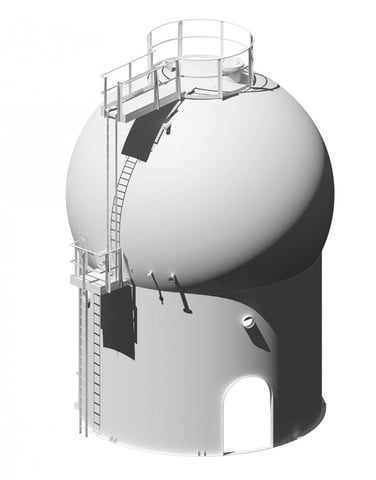
The project, which began in 2021 with support from the U.S. Department of Energy (DOE), focuses on an innovative non-vacuum insulated tank design. Unlike traditional LH2 tanks that rely on vacuum insulation—a costly and complex method—this new approach offers a lower-cost solution for storing massive quantities of hydrogen, potentially up to 100,000 cubic meters. The idea is simple in theory: make hydrogen storage cheaper, safer, and scalable enough to serve the needs of a growing clean energy economy.
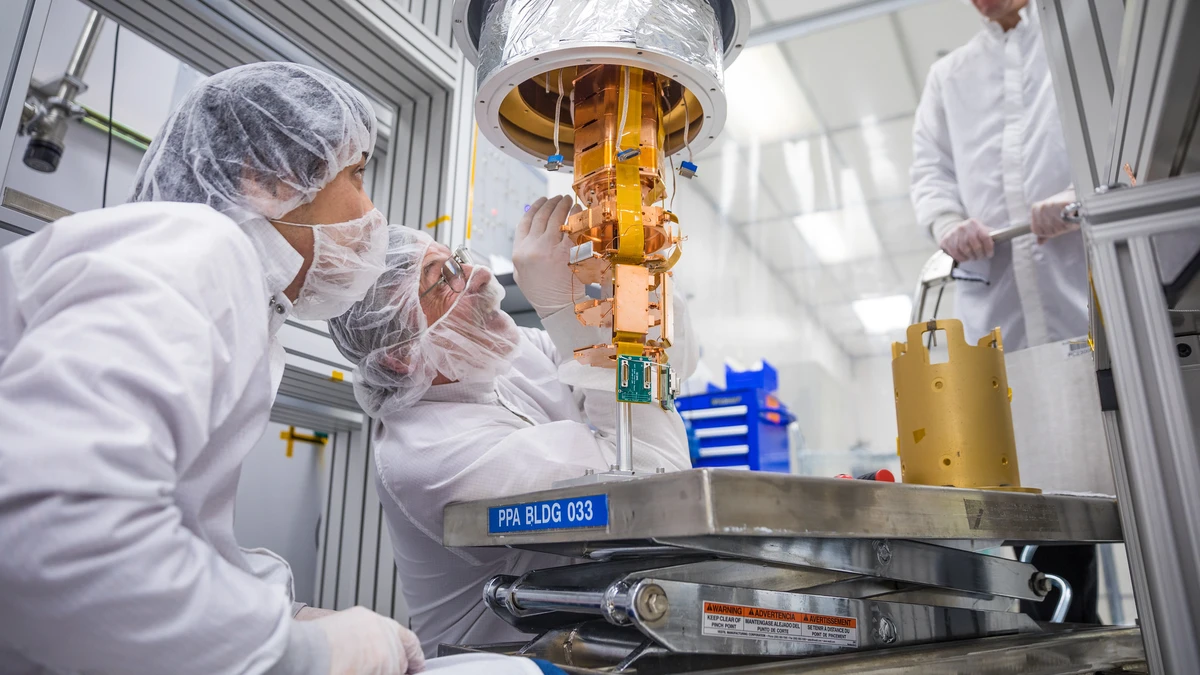
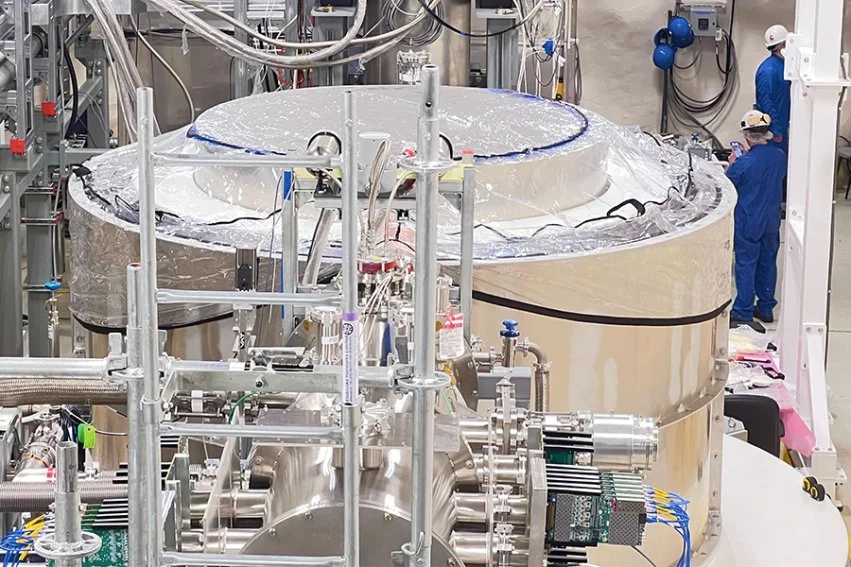
The tank concept is currently being tested on a smaller scale at Marshall Space Flight Center. In addition to boosting the facility’s storage capacity, the demonstration unit will help engineers understand how materials behave during repeated cryogenic fill-and-empty cycles, while providing a platform to refine next-generation insulation technologies.
“For Shell, projects like this are about scaling innovation through collaboration,” said Theo Bodewes, General Manager of Hydrogen Technology. “Working alongside industry, academia, and the DOE, we’re finding new ways to address complex challenges in hydrogen infrastructure.”
James Fesmire, Chief Architect at GenH2, added, “This is about building the foundation. We’ve been able to develop critical testing tools and generate insulation performance data that will be essential as the hydrogen economy matures.”
The testing phase will run for six months, with NASA retaining the demonstration tank under a Space Act Agreement for an additional five years. This long-term access gives the agency and its partners a runway to continue exploring new insulation systems and performance strategies under real-world conditions.
For CB&I, this project continues a legacy that began in the 1960s when the company built its first LH2 sphere for NASA. That initial 170-cubic-meter tank was a milestone in cryogenic engineering. Since then, CB&I has built more than 130 LH2 vessels, with capacities now reaching up to 5,000 cubic meters, like the one recently completed at Kennedy Space Center for the Artemis program.
Mark Butts, President & CEO of CB&I, emphasized the company’s role: “With six decades of cryogenic experience, we’re committed to helping lead the energy transition. This project is an exciting evolution in that journey.”
The University of Houston, a partner in the project, sees the implications reaching well beyond the lab. “A non-vacuum design unlocks more flexible, affordable options for storing hydrogen at scale,” said Dr. Ramanan Krishnamoorti, Vice President of Energy and Innovation. “This kind of innovation is crucial for building a truly global hydrogen supply chain.”
DOE’s Hydrogen and Fuel Cell Technologies Office sees this initiative as part of a broader push to strengthen U.S. leadership in hydrogen. “This work showcases what can happen when you combine technical expertise across sectors,” said Dr. Sunita Satyapal, office director. “It’s an example of American innovation with the potential to shape the future of energy storage and trade.”
While the demonstration tank may seem like just one piece of the puzzle, it represents a critical shift—one where practical innovation, affordability, and long-term usability are front and center. And with it, a clearer path to scalable hydrogen infrastructure is coming into view.
Source: GenH2