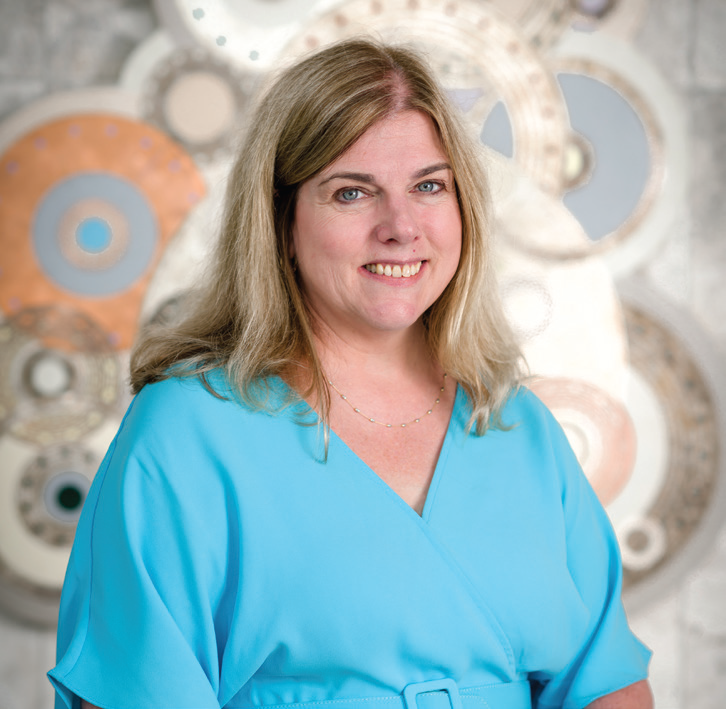
Andreas Sputtek
Past President
Society for Cryobiology
sputtek@uke.uni-hamburg.de or http://www.sputtek.de/.
The word cryobiology (from the Greek words “cryo” = cold, “bios” = life, and “logos” = science) literally signifies the science of life at low temperatures. In practice, this field comprises the study of any biological material or system (e.g., proteins, cells, tissues, organs, or organisms) subjected to any temperature below normal (ranging from moderately hypothermic conditions to cryogenic temperatures). At least 6 major areas of cryobiology can be identified:
- study of cold-adaptation of microorganisms, plants (= cold hardiness), invertebrates, and animals (= hibernation)
- cryopreservation of cells, tissues, gametes, and embryos of animal and human origin for (medical) purposes of long-term storage. This usually requires the addition of substances which protect the cells during freezing and thawing (cryoprotectants)
- preservation of organs under hypothermic conditions for transplantation
- lyophilization (freeze-drying) of pharmaceuticals
- cryosurgery, a (minimally) invasive approach for the destruction of unhealthy tissue using cryogenic gases/fluids
- physics of supercooling, ice nucleation/growth and mechanical engineering aspects of heat transfer during cooling and warming
A list of scientific societies in the field can be found at http://www.sputtek.de/links1.htm.
One of the two leading scientific societies in the field of “cryobiology” is the Society for Cryobiology. This society was founded in 1964 to bring together those from the biological, medical and physical sciences who have a common interest in the effect of low temperatures on biological systems. The Society currently has approximately 300 members from around the world, but most of them are US based. The purpose of the Society is to promote scientific research in low temperature biology, to improve scientific understanding in this field, and to disseminate and apply this knowledge to the benefit of mankind. The Society requires of all its members the highest ethical and scientific standards in the performance of their professional activities. According to the Society’s Bylaws membership may be refused to applicants whose conduct is deemed detrimental to the Society, this includes explicitly any practice or application of freezing deceased persons in the anticipation of their reanimation. This is the characteristic difference between “cryobiology” (which is a scientific discipline) and “cryonics“. The objectives of the Society for Cryobiology are fulfilled in two primary ways. First, the Society organizes an Annual Scientific Meeting dedicated to all aspects of low-temperature biology. This international meeting offers opportunities for presentation and discussion of the most up-to-date research in cryobiology as well as reviewing specific aspects through symposia and workshops. Second, the Society publishes a journal, Cryobiology, which is the foremost scientific publication in this area, with approximately 60 refereed contributions published each year. Members are also kept informed of news and forthcoming meetings through the Society newsletter, News Notes.
The Society for Low Temperature Biology (http://www.sltb.info) was founded in 1964 and became a Registered Charity in 2003 (Charity Commission for England & Wales No. 1099747) with the purpose of promoting research into the effects of low temperatures on all types of organisms and their constituent cells, tissues and organs. The Society has presently approx. 130 (mostly British and European) members and holds at least one Annual General Meeting. The program usually includes both a symposium on a topical subject and a session of free communications on any aspect of low temperature biology. Recent symposia have included long-term stability, preservation of aquatic organisms, cryopreservation of embryos and gametes, preservation of plants, low temperature microscopy, vitrification (glass formation of aqueous systems during cooling), freeze drying and tissue banking. Members are informed through the Society Newsletter, which is presently published 3 times a year.
From the Summer 1999 issue of Cold Facts magazine
Many advances in the field of cryobiology have been made since we last visited the subject. This survey touches on the field in general, some specific technical research, the state of cryosurgery and some companies involved in the many aspects of the field.
Society for Cryobiology
by Dr. John McGrath, President-Elect, Society for Cryobiology
The members as well as the Officers and Board of Governors of the Society for Cryobiology are very interested in reaching out to other societies like the Cryogenic Society of America. The field of Cryobiology is a true multi-disciplinary area, which involves sophisticated concepts in the medical, biological and physical sciences. It is therefore quite natural for our members to be interfaced with other technical disciplines. As a specific example, just last year the Society for Cryobiology annual meeting included a symposium devoted to engineering aspects of cryobiology. A prominent member of the Cryogenic Society of America, Ray Radebaugh, was an invited speaker. Members of the Cryogenic Society of America also participated in Cryo’90, the 1990 annual meeting of the Society for Cryobiology held at the State University of New York, Binghamton. I hope that during the period between 2000 and 2002 while I am President of the Society we can explore these types of activities and other means of cooperation that will be mutually beneficial.
The Society for Cryobiology was founded in 1964 to bring together those from the biological, medical and physical sciences who had a common interest in the effect of low temperatures on biological and non-biological systems. The purposes of the Society are to promote scientific research in low temperature biology, to improve scientific understanding in this field and to disseminate and apply this knowledge to the benefit of mankind.
We hold an annual international scientific meeting covering all aspects of up-to-date research in low-temperature biology through symposia and workshops. The Society’s journal, Cryobiology, which is the foremost scientific publication in this area, publishes approximately 70-refereed contributions each year.
The society currently has approximately 400 members from around the world, and they are kept informed of news and forthcoming meetings through the quarterly newsletter, News Notes. Besides full individual membership, which includes a subscription to Cryobiology, there are various other categories of membership, including a reduced rate for students and corporate and institutional memberships. Visit http://sapphire.surgery.wisc.edu/cryobiology/, which also features message bulletin boards, including one for students.
A Student Travel Awards Program initiative is now 5 years old. It has successfully attracted many new student members to our society. Thirteen students will be supported to attend Cryo99 this July in Marseille, France. If you are a student, consider joining our Society. If you are a member of a company, please consider sponsoring the Student Travel Awards Program. We would also be pleased to have more industrial participation and exhibits at our annual meetings.
New Horizons in Cryobiology
A new paradigm for freezing organs has been developed based on freezing to relatively high subzero temperatures while limiting the degree of dehydration rather than the accepted approach of deep freezing to cryogenic temperatures. The method is based on natural adaptations of wood frogs. Functional rat livers have been recovered from this method after six hours of freezing at -3°C. Visit http://www.exploratorium.edu/frogs/woodfrog/.
Freezing tissues and organs has not evolved as an effective means of cryopreservation. A promising alternative approach is to use high concentrations of solutes and low temperatures to induce vitrification. Such a vitrified, amorphous solid state avoids damaging ice crystals. Very recently it has been demonstrated for the first time that vitrification can be used to preserve smooth muscle contractile function significantly better than conventional freezing and thawing methods. This appears to be the first instance for a multi-cellular tissue in which vitrification produces a better result than standard freezing methods. It may be the basis for extension to more complex biomaterials.
The first engineered tissue substitutes are concurrently undergoing clinical trials. We are seeing the development of the efficacious cryopreservation protocols for these constructs. Skin substitutes, tissue-engineered cartilage and artificial kidneys are several examples.
Lyophilization is an area that is enjoying a renaissance as well. As described in a recent edition of Genetic Engineering News, this technology is now seen as an attractive alternative rather than a last resort. It is an important method for the pharmaceutical industry to preserve proteins, genes and DNA-based products. Progress is being made to improve methods of freeze-drying blood. Freeze-drying is also being used in novel ways to manufacture collagen sponges which are used in many medical applications such as a scaffold for nerve regeneration, drug delivery systems, bone or soft connective tissue implants and artificial skin. The porous structure of the sponge can be controlled by the freeze-drying process.
Genetic engineering is being effected as a means of increasing crop freezing tolerance. Antifreeze proteins derived from Antarctic fish are being used to increase the killing of tumors during cryosurgery. Various imaging modalities including MRI and ultrasound, have been coupled with freezing processes leading to a re-vitalization of cryosurgery. It is very exciting to see new biotechnology companies appearing which are driving the demand for new and improved cryopreservation technologies. It is a very exciting time in the field of cryobiology. I hope that we can form effective bridges between our societies in the near future and I look forward to hearing how we might best do that from as many of you as possible.
[Editor’s note: John McGrath is President-elect of the Society for Cryobiology and has been a professor of Mechanical Engineering at Michigan State University since 1978, mcgrath@me.msu.edu.]
Cryogenic Applications in Cryobiology
by Anne Wilson, Laboratory Manager, LifeNet, 5809 Ward Court, Virginia Beach VA 23455, anne_wilson@lifenet.org and Lloyd Wolfinbarger, Jr., PhD, Managing Partner, BioScience Consultants, lnc., 1509 Cedar Lane, Norfolk VA 23508, altmolec@aol.com
Cryobiology deals with the chemical and biological aspects of cryopreservation of biologicals. Cryogenics deals with the physical and engineering aspects of how biologicals are cryopreserved. The objective of this brief overview will be to encourage a dialog between cryogenics and cryobiology and, in that it is directed towards individuals in the Cryogenic Society, it should be understood that it is primarily a request for assistance in improving on the engineering of devices used in the cryopreservation, storage, and thawing of biologicals — both viable cells and tissues and solutions of biological molecules.
Commercial manufacturers of complex or pure vaccines, enzyme preparations, biologically active reagents and the like frequently find that they must freeze-dry their preparations in order to obtain long-term storage without loss of activity. They quickly find that control of the freezing process is equally important, if not more important, to long-term product quality than the sublimation process.
Principles of Freezing of Aqueous Solutions
Due to the presence of small molecular solutes, most physiological solutions do not begin to form ice crystals until the solution has been cooled between 5 and 10°C below 0°C. For ice crystals to form, it is necessary that water molecules begin to assume pseudo-crystalline structures (lower inherent energy than the bulk water) that will become the nuclei around which additional water molecules will accrete. This process is generally referred to as homogeneous nucleation.
Alternatively, if small particles are present in the aqueous solution, these small particles may serve as foci for the accretion of water molecules that due to some particular character stabilize water molecules in a more ordered nature (again a lower inherent energy than the bulkwater). This process is generally referred to as heterogeneous nucleation. The principles involved are similar, in that it is more difficult to initiate ice crystal formation than to add water molecules to an already formed ice crystal. Once ice crystal formation has occurred, ice crystal growth will proceed rapidly because the aqueous solution is already several degrees below that temperature at which water freezes. With this sudden burst of ice crystal formation, latent heat of fusion can result in a sudden and sometimes dramatic warming of the solution being frozen.
By careful manipulation of the temperature of the heat sink (the domain of a cryogenics person), that reservoir into which heat will be dissipated, this liberated heat can be managed and the temperature of the sample being frozen will continue to decline in a controlled manner.
This aspect of cryopreservation of aqueous samples is perhaps that least appreciated by most cryopreservation efforts and control of heat dissipation is essential to successful cryopreservation.
If heat dissipation is too fast, ice crystal growth will occur primarily at the interface of the solution being frozen and the heat sink, where the formed ice will act as a barrier to further heat dissipation. Formed ice can actually insulate the solution from the heat sink. If heat dissipation is too slow, latent heat of fusion will contribute to a rewarming of the solution and the solution will experience a series of ice crystal formation followed by ice crystal melting followed by ice crystal reformation (recrystallization) — a harmful series of events.
In certain circumstances, it may be desirable to form ice at the interface around the inner surface of the cryocontainer), in that ice crystal growth will proceed from the outer perimeter of the cryo-container towards the interior of the cryo-container. This process can actually result in the concentration of solute molecules, cells, and/or tissue towards the inner-most volume of the solution being frozen. If this process in not desirable, ice crystal growth can be encouraged to occur in a more evenly distributed pattern throughout the solution being cryopreserved. This can be achieved by maintaining a dissipation of heat from the cryo-container that is consistent with the movement of heat from the interior of the solution in the cryo-container to the outer perimeter of the cryo-container for dissipation into the heat sink. Obviously, the latter process requires manipulation of the temperature of the heat sink, or insulation of the cryo-container, such that heat is lost from the solution being frozen fast enough to prevent rewarming but slow enough to prevent the formation of what might be termed perimeter ice.
Herein lies one of the fundamental aspects of cryopreservation that needs to be controlled via cryogenics in order to achieve successful cryopreservation of solute molecules, viable tissues and/or cells. At this point, it might be appropriate to consider whether cryopreservation of tissues might be best if perimeter ice formation predominates and the tissue is eventually cryopreserved in the amorphous glass phase of the solidified matrix in the cryo-container. Cryopreservation of cells, however, might be best performed by causing ice crystals to form and grow in a more uniform pattern throughout the solution being frozen. In this instance, cells might be expected to be uniformly “packed” in small pockets in an amorphous glass phase that will be dispersed in and amongst the ice crystals.
Strictly speaking, the events described form the bases of the different approaches to most cryopreservation activities carried on in different laboratories. Some freezing protocols include placing vials (cryo-containers) containing cells into insulated (usually Styrofoam) containers and placing these insulated containers into refrigerators/freezers (heat sinks). The objective of this approach is to place the solutions to be cryopreserved into static air flow low-temperature environments and control the rate of heat loss by insulating the solutions from the low temperature. This method is generally preferred in laboratories lacking more sophisticated cryopreservation systems and most frequently involves shifting the insulated container (containing cells to be cryopreserved) into progressively colder and colder environments over time. The method is appropriate and frequently quite successful as long as the laboratory recognizes what is happening during the freezing process, so that appropriate time intervals and temperature differentials can be selected based on wise choice rather than some undefined guessing.
An alternative freezing program includes placing vials (cryo-containers) containing cells into volumes of, for example, isopropyl alcohol in a plastic container and then placing these plastic containers into refrigerators/freezers (heat sinks). As above, this approach also relies on the insulating nature of the alcohol/plastic container. However, it is possible to achieve a more uniform freezing profile for the various cryo-containers than can be achieved using the Styrofoam insulated containers, in that heat dissipation into the alcohol is more easily and more uniformly achievable. Again, this method is generally preferred in laboratories lacking more sophisticated cryopreservation systems and relies on shifting the container to progressively colder and colder cryosinks.
Where it is possible to control the temperatures of the heat sink, for example by use of various commercially available controlled rate freezers, it is rarely desirable to insulate the cryo-containers. Indeed, where the temperature gradients between the heat sink and the sample(s) to be frozen can be controlled, it is more appropriate to facilitate the dissipation of heat from the samples into the heat sink. Under such situations, dissipation of heat can be achieved best by controlling the distance(s) the heat energy must traverse within the solution being frozen and by improving the rate of transfer of heat from the cryo-container into the heat sink.
Ideally, the temperature(s) throughout the solution in the cryo-container will mimic the temperature of the heat sink. For a variety of reasons, this ideal situation is rarely achieved and the use of very low temperatures in the heat sink (chamber of the controlled-rate freezer) facilitate the rapid transferal of heat energy from the sample into the heat sink. Unfortunately most commercially available cryo-containers are round and of variable length, minimizing the surface-area-to-volume ratio of the aqueous sample placed into the container. Heat transfer from cryo-containers could easily be improved by making the containers flatter in the part of the container which will hold the volume to be frozen, maximizing the surface area to volume ratio of the cryo-container. Flatter containers would also minimize the distance within the sample across which the heat energy has to traverse. This would greatly improve on delivery of the heat energy to the surface of the container where it could be dissipated into the heat sink.
Finally, we would be remiss if we failed to briefly discuss the issue of temperature monitoring devices. Most frequently, cryogenic technologies used in cryopreservation of biologicals involves use of metallic temperature probes which typically penetrate the solution(s) being cryopreserved. Such temperature probes act as heat sinks and the use of reporter “pouches” (packaging receiving a temperature probe for use in sending temperature information to the controlled rate freezer) to control the chamber temperatures of controlled-rate freezers can not be expected to represent the temperature of “pouches” lacking a temperature probe. Considerable effort needs to be directed towards development and use of temperature probes or monitoring devices which do not impact on the loss of heat from the system being frozen.
Cryosurgery
by Dr. Boris Rubinsky, President, Society for Cryosurgery, Chancellor’s Professor, Department of Mechanical Engineering, University of CA, Berkeley, 510/642-8220, fax 510/642-6163, rubinsky@euler.berkeley.edu.
Cryosurgery is the use of temperatures below the freezing temperature of water to destroy undesirable tissues. James Arnott, a physician in London, first reported this medical application of low temperatures in the middle of the 19th century. He employed a brine mixture at -20 C, for palliative treatment of breast tumors. The first commercial liquefaction of air at the end of the 19th century and the development of vacuum flasks for storage of cryogenic fluids by Dewar were soon incorporated in cryosurgery. At the beginning of the century, White and Whitehouse used liquid air as a spray or with a swab in dermatology. At the same time Pusey used carbon dioxide snow compressed into sticks for the same applications.
Prior to World War II, the commercialization of cryogenic fluids led to the extensive use of cryosurgery in many applications involving destruction of undesirable tissue. However, after the war, cryosurgery fell into disuse and very few reports appeared in the scientific literature during the forties and fifties.
The next advance in cryosurgery occurred in the early sixties with the work of a physician and an engineer, Cooper and Lee, respectively. They developed a closed cryosurgical probe that was cooled down by a flow of liquid nitrogen; it was equipped with vacuum shielding. Cooper applied the probe to cryosurgical treatment of brain tissue in patients with Parkinson’s disease. The success of this application led to a resurgence of this field and new applications in the treatment of cancer. While flourishing in the sixties, cryosurgery fell into disuse again in the seventies and eighties, because of the development of drug therapy for Parkinson’s disease and because the treatment of undesirable tissue deep in the body could not be monitored and controlled. During this period cryosurgery became primarily the realm of dermatologists, of which close to 90% reported the use of cryosurgery in a survey published by the American Society for Dermatological Surgery in 1990.
The next major advance in the field was made in the early eighties, again through the work of a physician and an engineer, Onik and Rubinsky, respectively. They began to promote the use of novel medical imaging modalities such as ultrasound, computer tomography and magnetic resonance imaging to monitor the process of freezing deep in the body. Together with the ability to treat precisely tumors deep in the body came the need for new and better cryosurgical instrumentation. Working together, Rubinsky began to develop multi probe cryosurgical devices with better performance for treatment of complex tumors and Onik developed new applications, first for treatment of tumors in the liver and then in the prostate.
The opportunities in imaging-monitored cryosurgery together with the recognition of the potential of cryosurgery soon became recognized and led to a resurgence of this field. Arelatively large number of new cryosurgical device companies were established in the early nineties to take advantage of advances in cryogenic technology, such as Joule-Thomson cooling with mixed gases, heat pipe technology or closed cycle micro-cooling systems, Stirling and others.
New applications are being currently developed, such as treatment of restenosis, breast cancer, benign tissue in gynecology and numerous other applications facilitated by imaging and new cryogenic cooling technologies.
It is interesting to notice that advances in cryosurgery closely follow advances in cryogenic technology. In fact, there is no other medical technology in which there is such a close correlation between advances in engineering and in medicine. It is to be anticipated that in the future also, advances in cryogenic technology will lead to the development of new cryosurgical devices and more precise application of low temperatures in medicine.
Advances in Cryosurgery
by Dr. Ray Radebaugh, Group Leader, Cryogenic Technologies Group NIST Boulder CO, 303/497-3710, radebaugh@boulder.nist.gov
The goal of cryosurgery is to be able to kill unwanted cells (known as cryoablation), such as cancer cells, or malfunctioning cells, such as those in the heart that are distorting electrical signals and leading to heart arrhythmia. In either case, a narrow and well-defined dividing line is desired between cells that are destroyed and those that are not. Advances in MRI and ultrasound techniques have led to improved precision in locating the dividing line. A narrower dividing line is achieved by providing a steeper temperature gradient within the region to be destroyed. As a result, cells to be destroyed are subjected to lethal temperatures (sometimes as low as -50 degrees C), whereas cells a very short distance away experience temperatures above that which causes any damage, possibly above -20 degrees C.
The creation of a steep temperature gradient that can be quickly stopped or reversed is brought about by a combination of rapid cooling to as low a temperature as possible along with rapid warming to stop the moving cold front. Several cooling techniques have been developed for cryosurgical probes. A majority of the commercially available probes use liquid nitrogen cooling. It can provide large refrigeration power and a very low temperature, ingredients needed for a steep temperature gradient. The disadvantage is the logistics of providing liquid nitrogen and the need for insulation along all but the tip of the probe. As a result, applications are limited to the use of short probes with diameters generally larger than about 4 or 5 mm.
More recently, cryosurgical probes utilizing the Joule-Thomson process have been investigated. They can be used with either a single refrigerant, such as nitrous oxide, for temperatures down to about -80 degrees C, or a mixed gas for temperatures down to -150 degrees C (123K) or lower. Nitrous oxide is usually provided in a pressurized cylinder at a pressure of about 50 bar, and it is vented after the expansion in the cryosurgical probe. A mixed gas may consist of several gases and be circulated with a compressor at an output pressure of about 20 to 25 bar. The mixed-gas Joule-Thomson technique requires a miniature heat exchanger at the tip of the cryosurgical probe to be able to reach temperatures as low as -150 degrees C. The use of the Joule-Thomson process in cryosurgical probes eliminates the need for insulation along the length of the probe, thereby permitting 1-m long, flexible catheters of only about 3 mm diameter. Such catheters can be used to reach the heart through a vein in the leg and permit freezing spots on the heart that cause heart arrhythmia (irregular heart beat). The use of helium in the Joule-Thomson expansion has been proposed as a means to bring about rapid heating, since it heats upon expansion at temperatures encountered in the cryoprobe.
Cryosurgical probes are being investigated for a variety of medical applications. These include destruction of cancer tumors in the prostate, liver, and breast, the cryoablation of the uterine lining in place of hysterectomies and the treatment of heart arrhythmias. Advances in cryosurgical probes have been and will continue to be important to the wider spread application of these devices within the medical community. Advances within cryobiology in the better understanding of the factors influencing tissue destruction as well as improved instrumentation in detecting and controlling the freezing front are also leading to a greater acceptance of cryosurgical procedures. These procedures are sometimes being used in place of more traditional surgical methods of using a knife for tissue removal or of using radio frequency (rf) heating for tissue destruction.
Companies in Cryobiology
International Cryogenics, Inc. was formed in 1980 to design and manufacture high quality cryogenic equipment. To this day the company has maintained its standard for quality products at competitive prices. The IC Cryo-biological product line is broken down into 4 major product groups: The Refrigerator Group, Vapor Shipper Group, Dewar Group and the Director Series Group.
The Refrigerator Group consists of 11 portable aluminum cryogenic vessels which range in size from 6 liters to 50 liters. These vessels are complete with canisters for the cryo-preservation of biological specimens. The largest customers of this product line include dairy farmers, veterinarians, hospitals and bio-labs. The features of this group are a molded handle assembly, transparent dome cover, more product capacity, better working visibility, more ruggedness, unique styling and a 5-year warranty.
The Vapor Shipper Group consists of 4 “dryshipper” aluminum cryogenic vessels, which range in size from 2 liters to 20 liters. These lightweight vessels are primarily used for fast, economical transport of samples by laboratories and veterinarians. Advantages include a customized shipping carton that is included with each vessel, better holding time, larger capacity — model for model, and a 2-year warranty.
The Dewar Group consists of 7 portable aluminum cryogenic vessels, which range in size from 5 liters to 50 liters. The primary function of these vessels is to store liquid nitrogen. Many laboratories, dermatologists and even family practitioners are using these vessels on a daily basis. The advantages of this group are unique styling, more ruggedness, ergonomic handles and a 5-year warranty. Also, a complete range of accessories is available, such as the dipper, liquid withdrawal device, rollerbase, pouring handle, transfer line and phase separator.
The Director Series Group, which is the newest group, consists of 3 larger models designed primarily for laboratory use for rack-storage of vials. These units range in size from 60 liters to 120 liters and can store from 2000 to 4000 vials. The outstanding features of this line include indexed racks, high strength aluminum shell, greater efficiency, attractive styling, and a 2-year warranty. Accessories available for these units include the rollerbase, low level alarm and transfer line.
Some of the more exciting achievements for IC this past year include the opportunity to do private labeling for several major companies, most notably NUAIRE, a multi-national laboratory equipment company located in Plymouth MN. Also IC’s international distribution network continues to expand to dealers in Latin America, Europe and Asia with record sales to the UK, Japan and Israel. IC has also created two new products this year, the IC-2VS, vapor shipper and the IC-22R/RX, refrigerator. IC continues to strive to meet the end-users’ requirements for better technology. Contact International Cryogenics, 800/886, 2796, fax 317/297-7988, intlcryo@iquest.net, http://www.intlcryo.com.
Taylor-Wharton Cryogenics is the world’s leading supplier of cryogenic storage equipment for medical, laboratory and research applications. A complete line of dewars, refrigerators and freezers is complemented by a full spectrum of accessories and controllers. For liquid nitrogen, bulk carbon dioxide, liquid oxygen or any other cryogenic application, Taylor-Wharton is the source for world class equipment.
The new Legacy 2000 Bio-Archival cryogenic refrigerator is used for cryogenic storage of large biological samples. This super insulated, vacuum jacketed dewar system has a mechanism to provide preferential access to the stored samples through an offset port hole opening that minimizes the undesirable thermal cycling over the entire top layer of the storage. It was developed to meet increasing demands for long-term bioarchival applications, where reliability, access and preservation of important biologic materials are required. This design is a significant improvement over an original product offered by Union Carbide, which was acquired by Taylor-Wharton in 1985.
The Legacy 2000 is an improvement over existing refrigerators because it provides preferential access to any of the stored biological samples without exposing all the samples to a higher temperature. It provides easy, convenient access to samples stored in conventional vials on stainless steel racks. It also has a low consumption rate of LN2, resulting in lower operational costs. Because samples are not thermally cycled, their viability is enhanced.
The Legacy is used as a refrigerator in scientific laboratories and research facilities, by biologists, scientists and researchers. It is especially useful in Cord Blood Storage, where stem and progenitor cells drawn from placental blood and the umbilical cord are stored in cryogenic refrigerators. This blood is stored for later use to treat a number of life-threatening diseases, a superior replacement alternative to bone marrow for the reconstitution of the immune system. Other applications include conventional blood storage, artificial insemination (sperm cells), oncology, corneas, heart valves, virus samples, biopsy specimens, cell lines and blood, and tissue and saliva samples for DNA matching.
Contact Ronald Richelieu,Taylor-Wharton Cryogenics, 717/763-5060, http://www.taylor-wharton.com.
MVE, Inc. is the world’s largest designer and manufacturer of vacuum insulated solutions for the storage and distribution of cryogenic gases. With over 35 years of delivering quality products and services, MVE has become a trusted partner of leading companies worldwide. The company’s goal is to provide fully integrated system solutions to ensure highly efficient and lowest cost of these gases to the end user. MVE Inc., a recent Chart Industries acquisition, is organized into 5 market focused business units. This structure allows the company to develop technology solutions that serve each unique value-chain.
The Applied Technologies unit focuses on new technology solutions, which make the use of liquefied gases more competitive than other alternatives. Current product solutions include: Vacuum Insulated Piping (VIP), LNG Fuel Systems, LN2 Environment Test Chambers, CO2 Cleaning Equipment and LN2 Injectors.
The Cryobiological unit provides products for freezing, long term storage and distribution of biological materials to support biomedical applications such as assisted reproduction, oncology research, immunology, gene therapy and tissue banking. Every MVE freezer is designed for optimum vacuum performance for the duration of its use. MVE freezers are engineered to hold and maintain specific temperatures, from -125 C to -196 C whether samples are in liquid or vapor. The MVE Vapor Shipper containers are designed for the safe transportation of biological samples at cryogenic temperatures (-150C). They contain a hydrophobic absorbent that repels moisture and humidity, assuring the maximum holding time. MVE is also the only manufacturer of a vapor shipper that meets the current UN and IATA regulations for the transportation of potentially infectious substances. MVE Cryobiological products meet worldwide standards of excellence such as CE, UL, IATA and ISO 9001.
Other focus markets include Industrial, Medical and Restaurant. MVE is headquartered in Burnsville MN and has manufacturing and sales operations through out the world. Contact MVE, Inc., 3505 County Road 42 West, Burnsville MN 55306-3803, 612/882-5000, fax 612/882-5180.
Endocare specializes in Targeted CryoAblation of the Prostate therapy (TCAP) for prostate cancer, as a replacement for radiation therapy. TCAP uses cryoprobes to reach inside the body through keyhole access to freeze and kill cancer cells while minimizing the risk of unintended damage to tissue surrounding the prostate. The FDA-approved argon-based Cryocare™ System allows direct visualization of the ablation zone while using controlled temperature monitoring. The procedure also offers quick patient recovery time — usually same day surgery or an overnight stay. Unlike radiation seed therapy (permanent radioactive implants into the prostate), the cryosurgical procedure is repeatable.
TCAP has great promise, with clinical evidence that it is superior to other cryo technologies, permanent seed implants and external beam radiation therapy. For locally confined disease, 98% of patients receiving TCAP remain disease-free at 2 years follow up. Expected morbidities associated with TCAP were equivalent to or less than those attributable to other modalities.
Endocare’s CYRYOcare™ System is an argon-gas based cryoablation device currently utilized for prostate cancer therapy. Endocare says CRYOcare is the most advanced, user-friendly cryosurgical system available. Allowing up to eight high performance CRYOprobes™ operating simultaneously, CRYOcare also provides real-time proximal temperature monitoring and active thawing for unsurpassed ablation control. Former Senator Bob Dole is an Honorary Board Member of Endocare, assisting the company in bringing to light new alternatives available to prostate cancer patients. In February 1999 Medicare coverage was extended for cryosurgical procedures as a primary treatment alternative for localized prostate cancer. Contact Endocare, 888/236-3646, http://www.ecare.org.
Cryo-Gen, Inc. manufactures the FIRST OPTION™ Uterine Cryoblation Therapy™ system which has 510(K) clearance for intrauterine ablation. It is currently being rolled out for targeted comercialization. The company is also undergoing evaluation for the specific indication of endometrial ablation. Enrollment for a clinical trial is complete and CryoGen expects to complete the last patient by early summer. The eleven clinical investigators and their patients are “very satisfied with the technology and the outcomes,” the company reports.
FIRST OPTION received two design awards, the Industrial Design Excellence Award (IDEA99), sponsored by BusinessWeek magazine, and the Medical Design Excellence Award. The system is designed to treat Abnormal Uterine Bleeding (AUB), which until recently could only be treated by hysterectomy. FIRST OPTION is a miniature cryotherapy device and supporting system that enables physicians to ablate (destroy) the uterine lining, or endometrium, at extremely low temperatures, under local anesthesia, in an office or outpatient setting. CryoGen’s design was developed by Bridge Design, San Francisco. Key design elements are a self-contained, compact enclosure and high transportability. Contact Kay Clanton, CryoGen, 11065 Sorrento Valley Court, San Diego CA 92121, 619/450-6868, fax 619/450-3187, icy@cryogen-inc.com.
[Editor’s note: Dr. Ray Radebaugh and staff at NIST Boulder were involved in the design of the cryogenics of this device and worked with company founder Dr. John Dobak. See Cold Facts, Fall 1997, p. 18.]
CryoCath Technologies Inc. is the world leader in the development and commercialization of catheter cryoblation systems. Their patented technology offers physicians several minimally invasive systems that deliver cryoblation temperatures in the range of -25°C to -60°C via flexible and deflectable catheters. They have completed a 12 patient feasibility study at the Montreal Heart Institute for AV node ablation with the Freezor™ system, and have expanded into a second Canadian clinical site and an additional 30 patients and are working towards another 5 multi-center sites across North America.
They have developed a family of innovative and cost-effective cryoablation catheters and consoles based upon proprietary core technology related to flexible, steerable, super-cooled tip catheters.
Cryoablation catheters have been designed for use in a variety of medical applications and will be marketed on a global basis. CryoCath olds an exclusive worldwide license to the Harvardbased patented technology on which these products are based.
The company successfully expanded its human clinical studies for cardiac arrhythmia and opened a 20,000-square foot catheter systems development and pilot production facility in Kirkland, Quebec, Canada. CryoCath employs over 50 people, most of whom are in the research and development activities. This number is expected to at least double in the next three years.
CryoCath’s initial product is a cardiac cryoablation catheter system for use in electrophysiology, an area of cardiology specializing in the treatment of heart arrhythmias (irregular heartbeats). The system, which consists of a disposable cryoablation catheter and a cryoablation control console, was specifically designed to treat tachyarrhythmias. There are currently no ideal catheter ablation solutions for up to 75% of all arrhythmias in the US. CryoCath’s system has the potential to treat nearly every known arrhythmia.
A second product currently in animal trials is a cryocatheter for the treatment of post angioplasty restenosis. The field of interventional cardiology has undergone tremendous expansion in the last 15 years as new minimally invasive solutions replaced surgical therapies. As angioplasty procedures have become common clinical procedures, post angioplasty restenosis is a major complication that affects up to 50% of treated patients. Intensive research is ongoing into drug and radiation-based therapies to reduce restenosis rates. CryoCath is unique in developing a treatment for this problem which requires neither drugs nor exposure to radiation.
Contact Steven G. Arless, President and CEO, CryoCath Technologies Inc., 16771 Chemin Ste-Marie, Kirkland, Quebec, Canada H9H 5H3, 514/694-1212 fax 514/694-7075, sarless@cryocath.com, http://www.cryocath.com.
[Editor’s note: See Cold Facts, Fall 1998, p. 24, for a past article on CryoCath Technologies.]
Cold Facts Buyer’s Guide suppliers of Biological Storage Systems