As life science facilities become more advanced and specialized, the infrastructure behind them must evolve to meet increasing demands for efficiency, precision, and cost-effectiveness. Technifab Products, Inc., in partnership with CryoWorks, is leading the way in cryogenic piping solutions for the biotech, pharmaceutical, and research sectors—supporting applications ranging from cryosurgery and cell culture to vaccine storage and microscopy.
Liquid nitrogen (LN₂) remains the cryogen of choice in many of these processes, typically distributed from bulk tanks and portable dewars. Yet, the success of a cryogenic system hinges not just on the supply, but on thoughtful engineering—from piping layout to installation details.
With over 325 years of combined experience in cryogenics, Technifab and CryoWorks help architects, contractors, and end users design facilities that reduce construction costs, extend system lifespan, and improve overall performance. Their involvement in early-stage planning ensures systems are optimized for flow, reliability, and maintenance.
Two Key Design Lessons from the Field
1. Connecting Dewars the Right Way
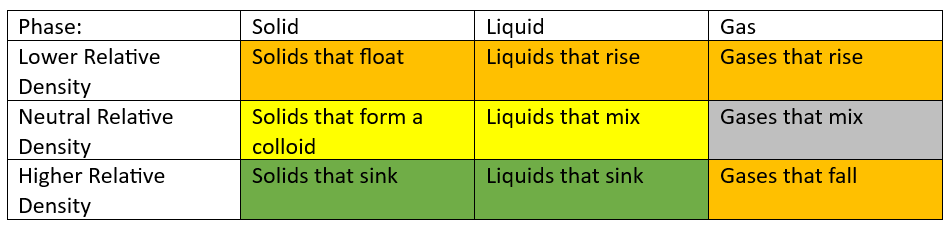
How a dewar is connected to a manifold may seem like a minor detail—but it can significantly affect system performance. A poorly routed hose with a high point creates a gas trap, restricting flow and causing inefficiencies. An improved setup lets the hose droop naturally, avoiding these traps. But the ideal solution goes one step further: using vertical hose attachments at both the dewar and the manifold. This reduces stress on hose ends and improves both performance and longevity, especially in high-turnover settings where dewars are regularly replaced.
2. Designing with Cryogenics in Mind
Architects and lab planners often focus on workflow, security, and access—but neglecting cryogenic considerations can be costly. A common oversight is horizontal placement of cryogenic storage and use points across multiple floors. Without vertical alignment, facilities require longer runs of vacuum insulated pipe (VIP), more vent lines, and additional liquid conditioning components. A better approach stacks cryogenic vaults, labs, and use points, dramatically simplifying the system and reducing total project costs.
Technifab encourages stakeholders to bring cryogenic partners into the design process early. “When we’re consulted upfront,” the company notes, “we can help prevent costly workarounds later—and help teams break ground with confidence.”
For labs that rely on cryogenic storage and delivery, it pays to design smart from the start.
Source: Technifab Products, Inc. blog, “Cryogenic Piping Solutions for Modern Life Science Facilities,” June 27, 2025
www.technifab.com